
You know that feeling when you're standing in front of your Big Green Egg, and you just know today’s the day you’re going to pull off something amazing? Well, I’ve been there. In fact, just last weekend, I decided to tackle a beef tenderloin, and let me tell you, it was an adventure.

It all started with a dare—my buddy Joe, a self-proclaimed grill master, challenged me to smoke a beef tenderloin better than his last cookout. Now, I’m not one to back down from a challenge, especially when it involves meat and fire, so I accepted with a grin. I mean, how hard could it be? Spoiler: harder than I thought but totally worth it.
How To Make Smoked Beef Tenderloin on Big Green Egg
So, here’s the deal—before you even think about firing up the Big Green Egg, you’ve got to treat that tenderloin right. It’s like dating; you can’t just rush in. First things first, let’s talk seasoning. I like to keep it simple, so I went with a classic mix: kosher salt, black pepper, garlic powder, and a hint of smoked paprika. You want to be generous here, don’t be shy. Rub it in like you mean it!
Pro tip: Let the tenderloin sit out for about 30 minutes before it hits the grill. This lets it warm up a bit, which helps it cook more evenly. No one wants a tenderloin that’s burnt on the outside and cold in the middle, right?
Alright, the moment of truth—getting that Big Green Egg fired up. Joe was watching me like a hawk, which only added to the pressure. But hey, that’s part of the fun.
- Set the temperature: Aim for about 250°F. The Big Green Egg is perfect for low and slow, which is exactly what you need for a tenderloin. You want it to cook evenly, giving you that juicy, tender inside with a beautifully smoked exterior.
- Pick the right wood: This part’s crucial. I went with a mix of hickory and applewood chunks. Hickory adds that deep, smoky flavor, while applewood brings a bit of sweetness. You could almost smell the victory in the air... or was that just the wood?
- Indirect heat is your friend: Set up the Big Green Egg for indirect cooking by placing a heat deflector between the coals and the grate. This lets the heat circulate around the tenderloin without direct exposure, so it doesn’t char before it’s done.
- Cook it to perfection: Place the tenderloin on the grate and close the lid. Now, patience is key. You’re aiming for an internal temperature of about 130°F for medium-rare. Use a meat thermometer—no guessing games here. Trust me, Joe was waiting for me to mess this up, but I wasn’t about to give him the satisfaction.
- Rest it out: Once you hit that 130°F mark, pull the tenderloin off the grill and let it rest for about 10-15 minutes. This is where the magic happens—the juices redistribute, making every bite melt in your mouth.
The Perfect Smoke: Choosing Your Wood
Like I mentioned, hickory and applewood are my go-tos for this recipe. But if you’re feeling adventurous, you could mix in a bit of cherry wood for a richer color and subtle fruitiness. Just steer clear of mesquite for this one; it’s too intense and could overpower the delicate flavor of the tenderloin. You want the beef to be the star of the show, not the wood.

Tips from a Pro (Well, Almost)
- Keep the lid closed: I know it’s tempting to keep checking on your masterpiece, but every time you open the lid, you lose heat and smoke. That’s a big no-no. Trust the process.
- Water pan: Place a small water pan inside the grill to keep the environment moist. This helps prevent the tenderloin from drying out, which would be a tragedy after all that work.
- Finishing touch: If you’re into a bit of crust, sear the tenderloin for about 1-2 minutes on each side after it’s smoked. Just crank up the heat on the Big Green Egg, or use a cast iron skillet. It adds that extra layer of flavor and texture.
What to Serve with Your Smoked Tenderloin
Now that you’ve got this beautiful, smoked beef tenderloin ready to go, what should you serve with it? Well, I’m glad you asked.
- Garlic mashed potatoes: Creamy, buttery, and just the right amount of garlic. They’re the perfect match for that smoky, tender beef.
- Grilled asparagus: Simple, yet elegant. Drizzle with olive oil, sprinkle some sea salt, and grill it up. It’s fresh, crunchy, and cuts through the richness of the tenderloin.
- Red wine sauce: This is optional, but if you’re looking to impress, a red wine reduction sauce will knock their socks off. It’s tangy, slightly sweet, and pairs beautifully with the beef.
Leftovers? Here’s What to Do
If, by some miracle, you have any leftover tenderloin, don’t just let it sit there. There are so many ways to turn it into something new and exciting.
- Beef tenderloin sandwiches: Slice it thin, throw it on a toasted ciabatta roll with some horseradish mayo, arugula, and maybe a slice of cheddar. Boom, you’ve got lunch sorted.
- Tenderloin salad: Toss some mixed greens, cherry tomatoes, and red onion with a balsamic vinaigrette, and add slices of the tenderloin on top. It’s healthy-ish and delicious.
- Stir-fry: Yep, you heard me. Cube the leftover beef, toss it in a hot pan with some soy sauce, garlic, and veggies, and serve it over rice. It’s a quick weeknight meal that still feels special.

Overall, pulling off a smoked beef tenderloin on the Big Green Egg felt like winning a gold medal in the grilling Olympics. There’s just something about that first slice, seeing the perfectly pink center and tasting the smokiness, that makes it all worthwhile. Joe was impressed, and let’s be honest, that’s all I needed to hear.
OTHER RECIPES YOU'LL LOVE
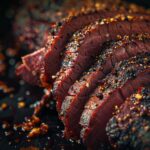
Big Green Egg Beef Tenderloin
Ingredients
For the Beef Tenderloin:
- 4 lbs beef tenderloin trimmed
- 2 tablespoons kosher salt
- 1 tablespoon freshly ground black pepper
- 1 tablespoon garlic powder
- 1 tablespoon smoked paprika
- 2 tablespoons olive oil
For the Garlic Herb Butter (optional):
- ½ cup unsalted butter softened
- 3 cloves garlic minced
- 1 tablespoon fresh rosemary finely chopped
- 1 tablespoon fresh thyme finely chopped
- 1 teaspoon lemon zest
- Pinch of salt and pepper
Instructions
Prepping the Beef Tenderloin
- If not already trimmed, remove any silver skin and excess fat from the beef tenderloin. Pat the tenderloin dry with paper towels.
- In a small bowl, combine the kosher salt, black pepper, garlic powder, and smoked paprika. Rub this seasoning mix evenly all over the beef tenderloin.
- Drizzle the olive oil over the tenderloin and gently rub it in. Let the seasoned tenderloin rest at room temperature for 30 minutes. This allows the flavors to penetrate the meat and helps the tenderloin cook more evenly.
Preparing the Big Green Egg
- Fill the firebox with charcoal and light it up using lighter cubes. Once the charcoal is lit, add your wood chunks (hickory and applewood for this recipe) on top of the coals.
- Place the heat deflector inside the Egg to set up for indirect cooking. Preheat the Big Green Egg to a steady 250°F.
Smoking the Beef Tenderloin
- Once the Egg reaches the desired temperature, place the beef tenderloin on the grate, ensuring it's over indirect heat. Close the lid and let the magic begin.
- Insert a meat thermometer into the thickest part of the tenderloin. Smoke the beef until the internal temperature reaches 130°F for medium-rare, which should take around 1.5 to 2 hours.
- Prepare the Garlic Herb Butter (optional): While the beef is smoking, mix the softened butter with minced garlic, rosemary, thyme, lemon zest, and a pinch of salt and pepper. Set aside.
- Once the tenderloin reaches the desired internal temperature, remove it from the grill. Tent it with aluminum foil and let it rest for 10-15 minutes.
- Optional sear: If you prefer a crusty exterior, crank up the Big Green Egg to high heat or use a hot cast iron skillet to quickly sear the tenderloin for 1-2 minutes on each side.
Serving
- Once the beef tenderloin has rested, slice it into 1-inch thick pieces. Brush with the prepared garlic herb butter if using.
Leave a Reply