
If there’s one thing I’ve learned in years of backyard smoking, it’s this: a brisket without a killer dry rub is like a cowboy without his boots—it just ain’t right. That aromatic crust? That deep, smoky bite? Yeah, that’s all thanks to the rub.
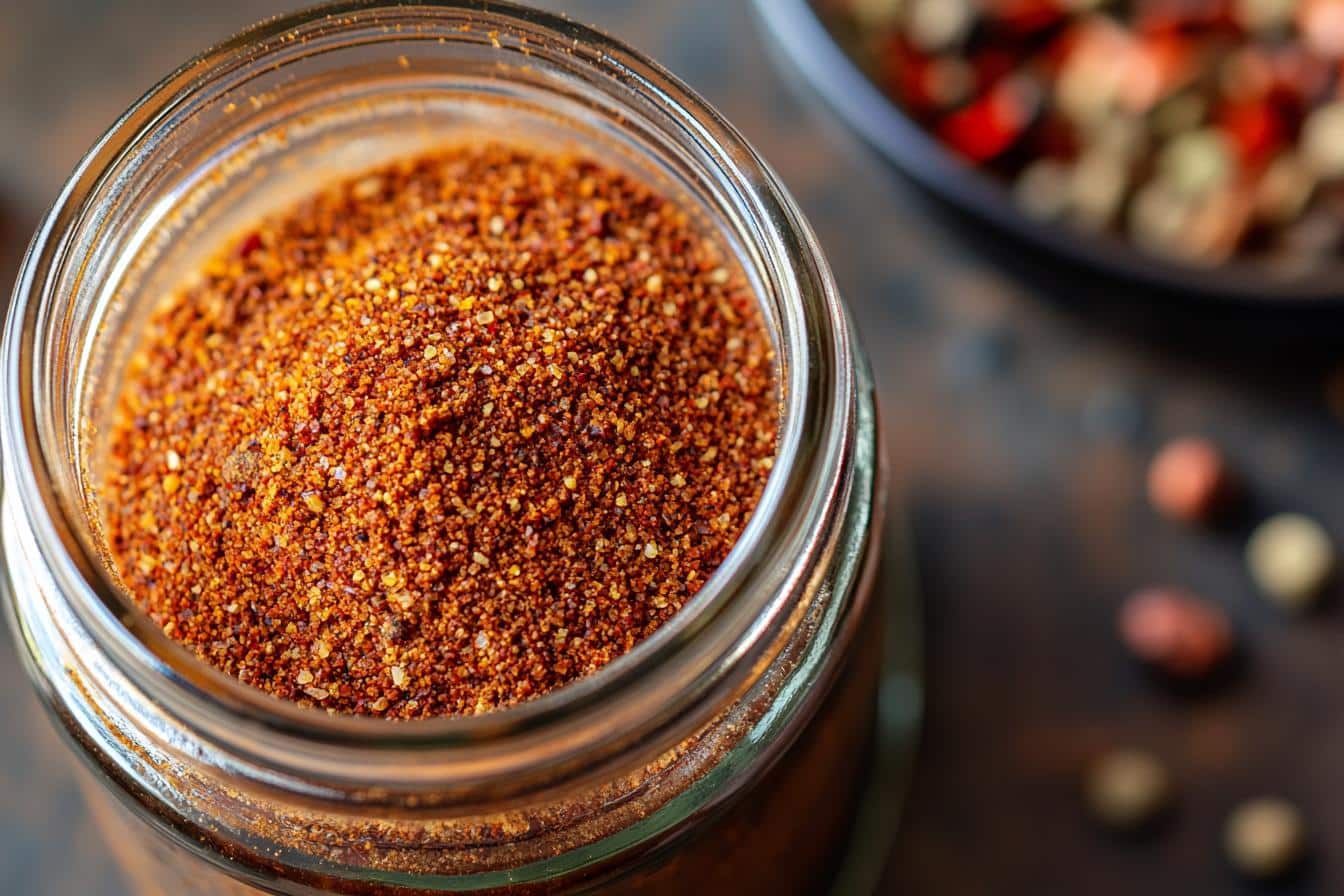
Whether you’re a seasoned pitmaster or a weekend griller looking to impress, this guide will walk you through everything you need to craft the perfect dry rub for brisket. From essential ingredients to application techniques and storage tips, we’ve got you covered. Let’s dive in.
Why a Dry Rub Matters for Brisket
The Science Behind the Magic
A great dry rub does more than season—it transforms your brisket. Here’s how:
- Salt: The MVP. It draws moisture out of the meat, dissolves it, and reabsorbs it, carrying all those spices deep into every fiber.
- Pepper & Paprika: Build that crusty, flavor-packed bark that makes brisket legendary.
- Sugar (if used): Adds a touch of caramelization, but be careful—too much can burn during a long smoke.
Dry Rub vs. Wet Rub: When to Use What
- Dry Rub: Best for smoking, as it lets the natural flavors and smoke shine. It also creates that crave-worthy bark.
- Wet Rub: Used more often for roasting or braising, adding moisture and tenderness but without the signature crust.
Texas vs. Kansas City: Two Styles, One Passion
- Texas-style brisket: Pure simplicity—salt and black pepper, letting the meat and smoke do the talking.
- Kansas City-style brisket: A more complex rub with paprika, garlic powder, and brown sugar for a touch of sweetness.
Essential Ingredients for the Best Brisket Rub
The Key Components (Based on Pitmasters' Recommendations)
- Coarse Black Pepper (16-mesh): The backbone of a great rub, adding depth and heat.
- Kosher Salt: Preferred for its larger grains, ensuring even seasoning.
- Granulated Garlic: Brings a subtle savoriness that complements the beef.
- Lawry’s Seasoned Salt: A secret weapon some pitmasters swear by for a touch of extra umami.
Pitmaster-Approved Ratios
- 8 parts coarse black pepper
- 3 parts kosher salt
- 3 parts Lawry’s Seasoned Salt
- 1 part granulated garlic
To Sugar or Not to Sugar?
Some swear by a touch of brown sugar for balance, but if you’re smoking low and slow, you risk burning it. Instead, consider turbinado sugar, which holds up better to heat.
How to Make and Apply Your Brisket Rub (Step-by-Step Guide)
Step 1: Gather Your Ingredients
Use the freshest spices possible—old, stale seasonings won’t do your brisket any favors.
Step 2: Mixing the Dry Rub
Mix everything in a large bowl, ensuring an even blend. Store any extra in an airtight container in a cool, dark place.
Step 3: Applying the Rub
Should You Use Mustard or Oil First?
- Mustard: Helps the rub stick, but doesn’t alter the flavor.
- Oil: Adds richness but can cause some spices to clump.
How Much Rub is Enough?
Aim for full coverage, but don’t cake it on. You want a consistent layer that enhances the meat, not buries it.
When to Apply the Rub
- Right before cooking: Works fine, but won’t penetrate as deeply.
- Overnight: Allows the flavors to really soak in, enhancing depth and complexity.

Brisket Rub Flavor Variations
Classic Texas-Style Brisket Rub
- 50/50 salt and coarse black pepper. Nothing more, nothing less.
Sweet and Smoky Rub
- Add brown sugar and smoked paprika for a deeper, caramelized crust.
Spicy Brisket Rub
- Increase the cayenne, chipotle powder, and chili powder for an extra kick.
Coffee-Based Brisket Rub
- Yes, coffee! Adds a bold, slightly bitter depth that enhances the smokiness.
Cooking Tips: Getting the Best Results
Smoking vs. Roasting: Does the Rub Work the Same?
- Smoking: Allows the rub to meld with the meat and form a crunchy bark.
- Roasting: Works well but won’t develop the same level of crust.
Temperature Control = Flavor Control
- 225°F: Traditional low and slow.
- 250°F: Speeds things up without losing moisture.
- 275°F+: Riskier but doable for an experienced cook.
Storing Your Brisket Rub for Maximum Freshness
- Airtight containers are a must—moisture ruins spice blends.
- Shelf life: Most rubs stay fresh for 6 months, but fresher is always better.
- Can you freeze it? Yes, but spices lose potency faster when frozen.
FAQs About Brisket Rubs
- Can I apply rub to frozen brisket? No, it won’t stick properly.
- Do I need mustard? No, but it helps.
- What if I oversalt? Lightly rinse and pat dry before cooking.
- Can I use this rub on other meats? Absolutely—pork shoulder, ribs, even chicken.

Brisket is an art, and a great rub is your paint. Whether you keep it simple like Texas pitmasters or go all-in with Kansas City flavors, this rub recipe will set you up for success.
Try it, tweak it, and most importantly—enjoy the process. Barbecue isn’t just food; it’s a tradition. Now go fire up that smoker and make us all proud!
OTHER RECIPES YOU'LL LOVE
Dry Rub Recipe For Brisket
Ingredients
- 8 tablespoon coarse black pepper
- 3 tablespoon kosher salt
- 3 tablespoon Lawry’s Seasoned Salt
- 1 tablespoon granulated garlic
- 1 tablespoon smoked paprika optional, for added depth
- 1 teaspoon cayenne pepper optional, for a touch of heat
- 1 tablespoon turbinado sugar optional, for a mild caramelized crust
Instructions
Gather Your Ingredients
- Before you begin, make sure all your spices are fresh. Stale seasonings won’t deliver the best flavor. Measure out each ingredient precisely.
Mix the Dry Rub
- In a mixing bowl, combine all the ingredients. Use a whisk or spoon to evenly distribute the spices. If you're making a larger batch, ensure all components are well blended for consistency.
Store the Rub Properly
- Transfer your rub to an airtight container or a spice shaker. Store it in a cool, dry place away from sunlight. It will stay fresh for up to 6 months.
Apply the Rub to Brisket
- Pat the brisket dry with paper towels to remove excess moisture.
- Use a binder (optional): Apply a thin layer of yellow mustard or olive oil to help the rub stick.
- Evenly coat the brisket: Generously sprinkle the rub all over the brisket, making sure to get the edges and crevices.
- Let it rest: If possible, let the brisket sit for at least an hour, or overnight in the fridge for deeper flavor penetration.
Cook Your Brisket
- If smoking, set your smoker to 225°F and cook low and slow until the internal temperature reaches 195-203°F for ultimate tenderness.
- If oven roasting, preheat your oven to 250°F and cook in a roasting pan until desired doneness.
Notes
Tips for the Best Brisket Rub Application
- Adjust spice levels: If you prefer a spicier rub, increase the cayenne.
- Layer flavors: Try a second light dusting of rub halfway through cooking for an extra flavor boost.
- Pair it with the right wood: Use oak, hickory, or mesquite for authentic BBQ flavor.
Leave a Reply