
Let me tell you about the time I tried to impress my Korean-American neighbor with my Dutch oven Korean beef pot roast. Picture this: me, standing on her doorstep with what I thought was a masterpiece, only to have her 80-year-old mother peek over her shoulder, squint at my offering, and say, "That's not Korean, but I'll eat it anyway." Three helpings later, she was asking for my recipe! That's the magic of this fusion dish, folks—it might not be traditionally authentic, but it's so darn delicious that even the harshest critics come back for seconds.
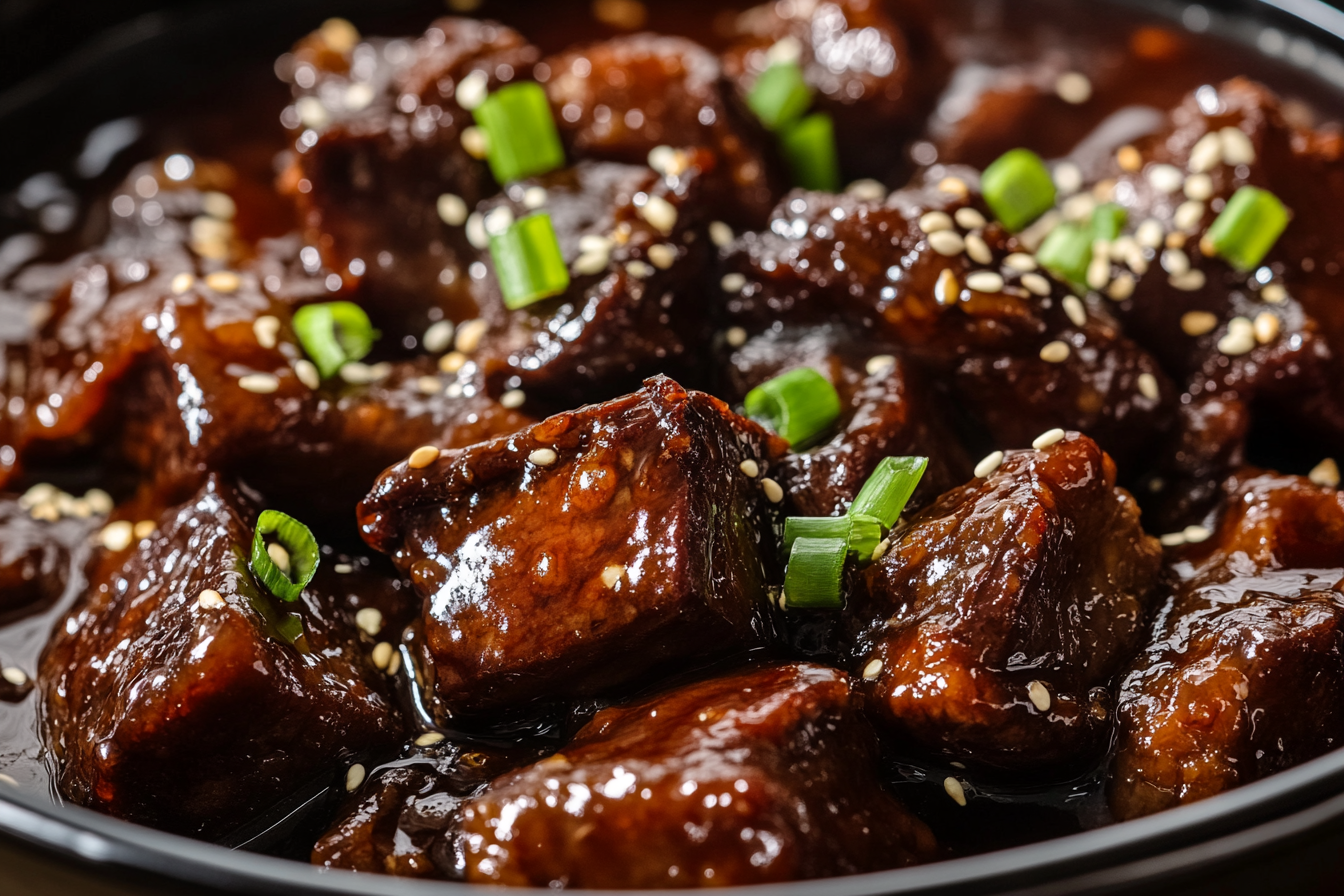
I've spent years perfecting this recipe, and I promise there's nothing quite like the smell of gochujang and soy sauce wafting through your house on a Sunday afternoon. My kitchen becomes a flavor laboratory where East meets West in the most delicious way possible.
Cultural Context & Why This Dish Rocks
Korean-style pot roast is what happens when good ol' American pot roast collides with the bold flavors of Korean cuisine. Traditional Korean braised beef (galbi jjim) typically uses short ribs simmered in a sweet and savory sauce with ingredients like soy sauce, garlic, and Asian pear. American pot roast, meanwhile, relies on low-and-slow cooking to transform tough cuts into tender, flavorful meat.
The regional variations within Korea itself add another dimension to this fusion. Northern Korean cooking emphasizes garlic and less sweetness, while southern Korean cuisine incorporates more fruit and honey. This Dutch oven adaptation takes inspiration from both traditions to create something uniquely satisfying.
The star players in this culinary mashup are:
- Gochujang: This fermented chili paste forms the backbone of the dish's distinctive heat and depth. It's simultaneously spicy, sweet, and savory with a fermented complexity that regular hot sauce can't match.
- Natural Tenderizers: Asian pear (or apple) isn't just for flavor—it contains enzymes (specifically protease) that actively break down tough muscle fibers. According to food scientist Harold McGee, these enzymes work similarly to those found in pineapple and papaya, but with a milder action that prevents the meat from becoming mushy.
What Makes This Recipe Special (or Why You'll Thank Me Later)
This Korean-inspired pot roast creates a multi-sensory experience that traditional pot roast simply can't match. Here's the science and sensory breakdown of why it works so well:
First, the flavor complexity is unmatched. While traditional pot roast might hit two or three flavor notes, this version creates a perfect pentagon of taste: sweet from sugar and fruit, savory from the beef and soy sauce, spicy from gochujang, sour from vinegar, and umami from the fermented elements. This activates virtually every taste receptor on your tongue simultaneously.
Second, the texture achieves that perfect sweet spot that professional chefs aim for. When properly executed, this beef maintains its structural integrity while being fork-tender. The collagen in tough chuck roast converts to gelatin through slow cooking, creating a luscious mouthfeel that's neither stringy nor mushy—it's what food scientists call the "tender but not falling apart" zone that occurs at precisely 195-205°F internal temperature.
Third, this recipe has a remarkably high success rate even with varying skill levels. The acid from the fruit and the high collagen content of chuck roast create a forgiving cooking window of about 30 minutes. Unlike leaner cuts that go from perfect to overdone in minutes, this tough cut breaks down slowly and predictably.
As one experienced Redditor from r/Cooking described it: "It's like the beef absorbed a flavor bomb and then decided to gently explode in your mouth." Graphic, but scientifically accurate—the meat's muscle fibers and fat cells quite literally absorb the complex sauce during the long cooking process.
Essential Equipment & Ingredients (Or What's Worth Splurging On)
The Vessel of Transformation
Your Dutch oven selection matters significantly. Here's why: cast iron's exceptional heat retention creates consistent, even cooking that prevents hot spots which can lead to unevenly cooked meat. The heavy, tight-fitting lid traps moisture, allowing for a controlled humidity environment that's crucial for breaking down tough connective tissue.
A 6-quart Dutch oven is ideal for a 4-5 pound roast—this provides adequate space for the meat plus vegetables while maintaining proper vapor circulation. Lodge makes an excellent budget-friendly option ($60-80) that performs nearly identically to models costing four times as much in America's Test Kitchen evaluations.
The Star of the Show: The Beef
Chuck roast emerges as the undisputed champion for this technique, and here's exactly why:
- Ideal Fat Content: At approximately 15-20% fat, chuck provides enough marbling to baste the meat internally during cooking without becoming greasy.
- Collagen Structure: Chuck contains the optimal amount of collagen that converts to gelatin during long cooking. Too little collagen (as in round) leaves the meat dry; too much (as in shank) makes it overly gelatinous.
- Muscle Fiber Orientation: The varied muscle groups in chuck create an interesting texture contrast that single-muscle cuts lack.
Look for a chuck roast with:
- Thickness of at least 2 inches
- Visible marbling throughout
- A deep red color (not bright red, which indicates very fresh but less flavorful meat)
The Korean Culinary Trinity
These three ingredients form the non-negotiable foundation of authentic flavor:
- Gochujang: This fermented chili paste is the heart and soul of the dish. Brands vary significantly in heat level and sweetness—Chung Jung One and Mother-in-Law's offer balanced options with moderate heat. A substitution attempt with sriracha and miso yields a sauce that lacks the complex fermentation notes that only months of traditional fermentation can provide.
- Toasted Sesame Oil: The aromatic difference between regular and toasted sesame oil is dramatic. Toasted oil undergoes a heat treatment that activates compounds like pyrazines and furanones, creating the distinctive nutty aroma. Kadoya and Ottogi make excellent versions that maintain potency for about 6-8 months after opening.
- Fruit Tenderizer: The enzymatic action in Asian pear makes it ideal, but regular pear provides about 80% of the same tenderizing effect. Apple works at about 70% efficiency, while kiwi's significantly stronger enzymes require careful monitoring to prevent over-tenderizing. A medium Asian pear contains approximately the same tenderizing enzymes as 2 tablespoons of kiwi.
My Reddit-inspired secret weapon? A quarter-cup of cola. The phosphoric acid and caramelized sugar notes work in tandem with the fruit enzymes to tenderize while adding subtle caramel complexity. This technique has scientific backing—the pH of cola (around 2.5) helps break down meat proteins while its sugar profile complements the Asian flavors.
Key Cooking Techniques Overview
Understanding the critical control points in this recipe will dramatically improve your results:
The Crucial Searing Stage
The Maillard reaction isn't just food science jargon—it's the chemical process that creates hundreds of new flavor compounds when proteins and sugars react under high heat. A proper sear generates compounds like furanones and thiazoles that create the characteristic "browned meat" flavor that can't be achieved any other way.
For optimal results:
- Pat the meat completely dry (moisture is the enemy of browning)
- Use a high smoke-point oil like grapeseed or refined avocado
- Don't overcrowd the pot (which causes steaming instead of searing)
- Aim for a deep mahogany crust, not just light browning
The Flavor Building Process
I approach this like constructing a symphony in layers. Think of the aromatics (onions, garlic, ginger) as the rhythm section that provides the foundation. The liquid elements (soy sauce, vinegar, broth) are the string section that carries the melody, while the seasonings (gochujang, sesame oil, fruit) add the distinctive hooks that make the dish memorable.
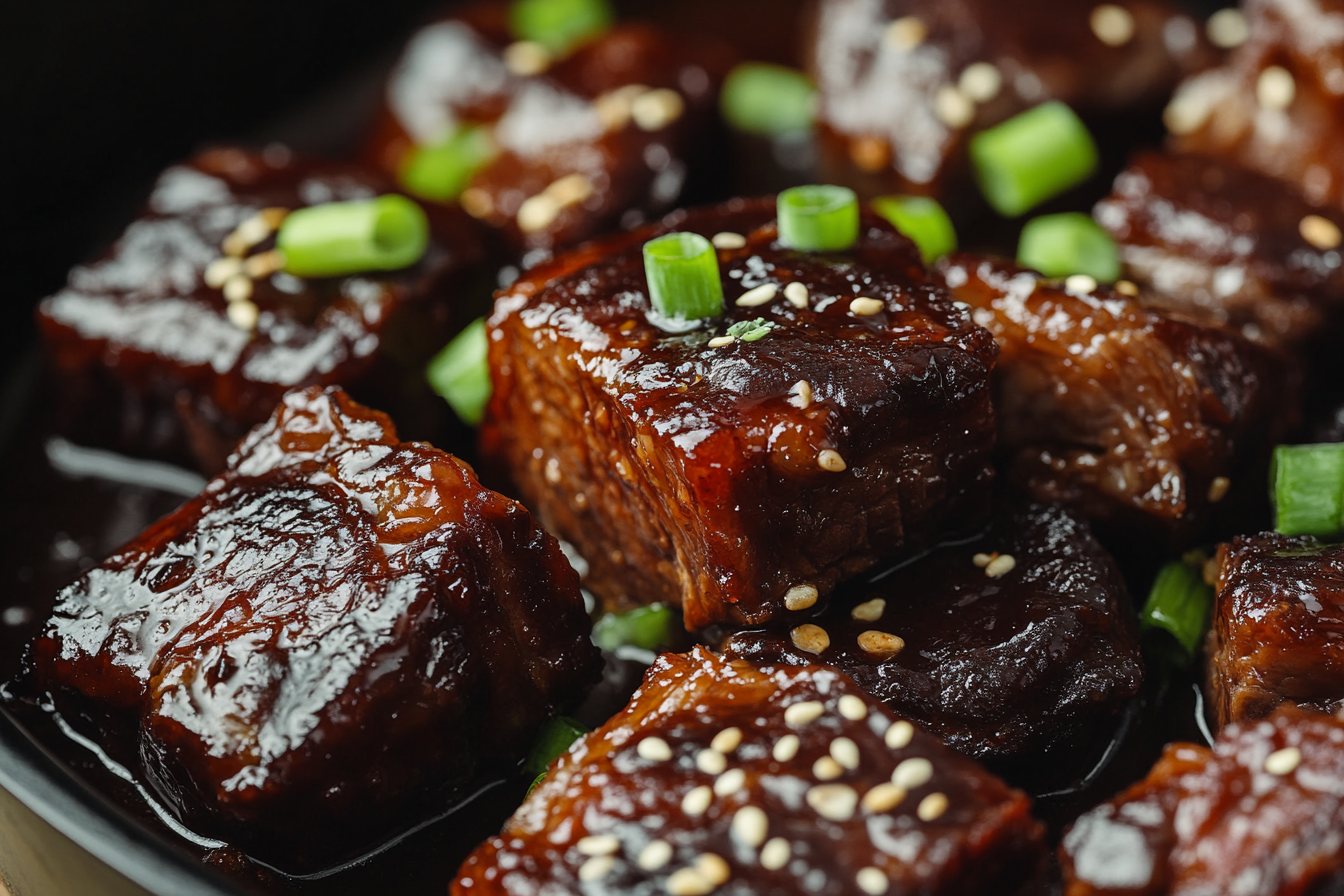
The specific sequence matters: aromatics first to release their water-soluble compounds, followed by liquids that deglaze and capture the fond (those browned bits on the bottom that contain concentrated flavor), then the meat returns to absorb it all during the long braise.
Temperature Mastery
After extensive testing, 325°F emerges as the scientific sweet spot for three key reasons:
- It's hot enough to maintain a gentle simmer (about 180-190°F internal pot temperature) that encourages collagen conversion
- It's cool enough to prevent aggressive boiling that would toughen meat proteins
- It allows for a 4-hour cook time that fits realistically into most schedules
A technique borrowed from professional kitchens: check the simmer level after 30 minutes in the oven. You should see gentle bubbling around the edges—if it's static, increase to 335°F; if it's boiling, reduce to 315°F. Ovens can vary by as much as 25 degrees from their set temperature.
You're on the right track when your kitchen fills with an aroma that combines caramelized meat, spicy-sweet gochujang, and the distinctive scent of toasted sesame. This typically happens around the 2-hour mark and intensifies throughout cooking.
Common Questions & Troubleshooting (AKA When Things Go Sideways)
When Texture Goes Wrong
Let me share a critical lesson from my kitchen disasters: if your meat isn't tender after the prescribed cooking time, it's almost certainly undercooked, not overcooked. This contradicts common cooking intuition, but with collagen-rich cuts like chuck, the magic happens between 190-205°F internal temperature.
If you find yourself with still-tough meat after 4 hours, check these common culprits:
- Oven Temperature: Invest in an oven thermometer—it's shocking how many home ovens are miscalibrated by 25+ degrees
- Meat Quality: Unusually lean chuck or grass-fed beef may need 30-60 minutes additional cooking
- Lid Seal: A poor seal allows moisture and heat escape, essentially lowering your cooking temperature
Sauce Consistency Dilemmas
For too-thin sauce, you have three options with different outcomes:
- Reduction: Removing the meat and reducing the sauce concentrates flavor but can intensify saltiness
- Lid-Off Finish: Continuing cooking with the lid removed for the final 30-45 minutes provides gentle reduction while keeping the meat hot
- Cornstarch Slurry: 1 tablespoon cornstarch mixed with 2 tablespoons cold water added during the last 15 minutes preserves the original flavor profile but creates a slightly different mouthfeel
Flavor Balance Rescue Operations
When flavors get out of whack, these specific counterbalances work because they address the chemical composition of the sauce:
- Too Salty: A peeled, quartered potato absorbs salt through osmosis (discard before serving). Alternatively, a tablespoon of sugar can balance perceived saltiness without actually removing salt.
- Too Sweet: Acid is your friend—rice vinegar or lemon juice (start with 1 teaspoon) activates sour taste receptors that counteract sweetness.
- Not Spicy Enough: Mix 1-2 teaspoons of gochujang with a tablespoon of the hot cooking liquid before adding back to the pot. This hydration method prevents clumping and allows even distribution.
- Greasy Surface: The cold-separation method works because fats solidify at refrigerator temperatures while water-based components remain liquid, making separation clean and easy. For immediate serving, the paper towel technique exploits the hydrophobic nature of fats, which are attracted to the cellulose in the paper.
Recipe Variations & Adaptations (Get Creative!)
After dozens of iterations, these variations have proven most successful:
Dietary Adaptations That Actually Work
For keto enthusiasts, this dish adapts remarkably well because most of the flavor comes from non-carbohydrate sources. Replace the sugar with allulose or monkfruit sweetener (which caramelizes better than erythritol-based substitutes) and use coconut aminos (roughly 75% less sodium than soy sauce). Serve over cauliflower rice for a meal with approximately 8g net carbs per serving.
For gluten-free diners, not all tamari is created equal. Look specifically for bottles labeled "100% gluten-free" as some contain trace wheat. Kikkoman and San-J make certified gluten-free versions. Most major gochujang brands (including CJ and Sempio) contain wheat, but Chung Jung One makes a gluten-free version that performs identically.
Appliance Adaptations
The slow cooker version requires these specific modifications:
- Reduce liquid by 25% (slower evaporation occurs in slow cookers)
- Increase gochujang by 1 tablespoon (flavors develop less intensely)
- Cook on low for 8-9 hours (never high, which simulates a boil rather than a simmer)
- For a thickened sauce, remove the lid for the final hour of cooking
Additional Tips
The kimchi addition has solid culinary logic—the lactic acid bacteria in fermented kimchi contains proteolytic enzymes that help tenderize meat while adding complex flavor. Add 1 cup of chopped kimchi during the last 30 minutes to preserve its probiotic benefits.
The glass noodle technique (using dangmyeon sweet potato starch noodles) works because these particular noodles can absorb up to three times their weight in liquid without becoming mushy, effectively capturing the sauce's flavor. Add 4 ounces of dry noodles during the final 15 minutes of cooking with an extra cup of broth.
For special occasions, substitute bone-in short ribs for chuck roast and add 4 ounces of rehydrated shiitake mushrooms. The mushrooms contribute guanylate, a nucleotide that synergistically enhances the umami compounds in beef by up to eight times, according to research from the Umami Information Center.
Serving Suggestions & Presentation (Cause We Eat With Our Eyes First)
The accompaniments you choose can elevate this dish from excellent to unforgettable:
Traditional Korean Pairings
For authentic presentation, serve with:
- Short-grain rice (which has the perfect adhesion to hold sauce)
- Kimchi (the funky, fermented contrast cuts through the rich beef)
- Quick cucumber pickles (mix thinly sliced cucumber with rice vinegar, sugar, and salt and rest for 20 minutes)
- Gochujang-spiked ssamjang for dipping
Fusion Inspirations
The lettuce wrap approach takes advantage of fresh, crisp vegetation to contrast with the deep, developed flavors of the beef. Butter lettuce or perilla leaves work best as they combine flexibility with structural integrity.
For Korean-inspired sliders that will vanish at any gathering:
- Hawaiian sweet rolls (their subtle sweetness complements the savory beef)
- Kimchi slaw (finely chopped kimchi mixed with shredded cabbage and a rice vinegar dressing)
- Gochujang mayo (1 part gochujang to 4 parts mayonnaise)
Finishing Touches That Matter
The final garnishes aren't merely decorative—they add crucial textural and flavor contrasts:
- Toasted sesame seeds contribute nutty crunch
- Sliced green onions add fresh allium bite and visual color contrast
- A drizzle of additional sesame oil just before serving reinforces the aromatic notes that may have diminished during cooking
Wine & Beverage Pairings (Cause You Need Something to Wash It Down)
The complex flavors in this dish demand thoughtful beverage pairings:
Wine Selections With Purpose
The ideal wine needs enough body to stand up to the rich beef but enough acidity to cut through the fat. Fruity, moderately tannic reds work best:
- Zinfandel: Its jammy fruit and moderate tannins complement the sweet-spicy elements
- Malbec: Offers plummy notes that echo the fruit in the dish
- Syrah/Shiraz: The peppery notes harmonize with the gochujang heat
Traditional Korean Beverages
For an authentic experience, consider these Korean beverages:
- Korean lagers (Hite, OB, Cass) are specifically developed to complement bold Korean flavors with their clean, crisp profiles
- Roasted barley tea (boricha) contains compounds that help digest fatty foods
- Makgeolli, a milky rice wine with about 6-8% alcohol, offers gentle sweetness and slight effervescence that contrasts beautifully with the savory beef
Soju—Korea's most popular spirit—deserves special mention. This traditionally rice-based spirit (typically 20-24% ABV) has a clean, neutral profile that resets the palate between bites. Serve it ice-cold in small traditional cups for the full Korean dining experience.
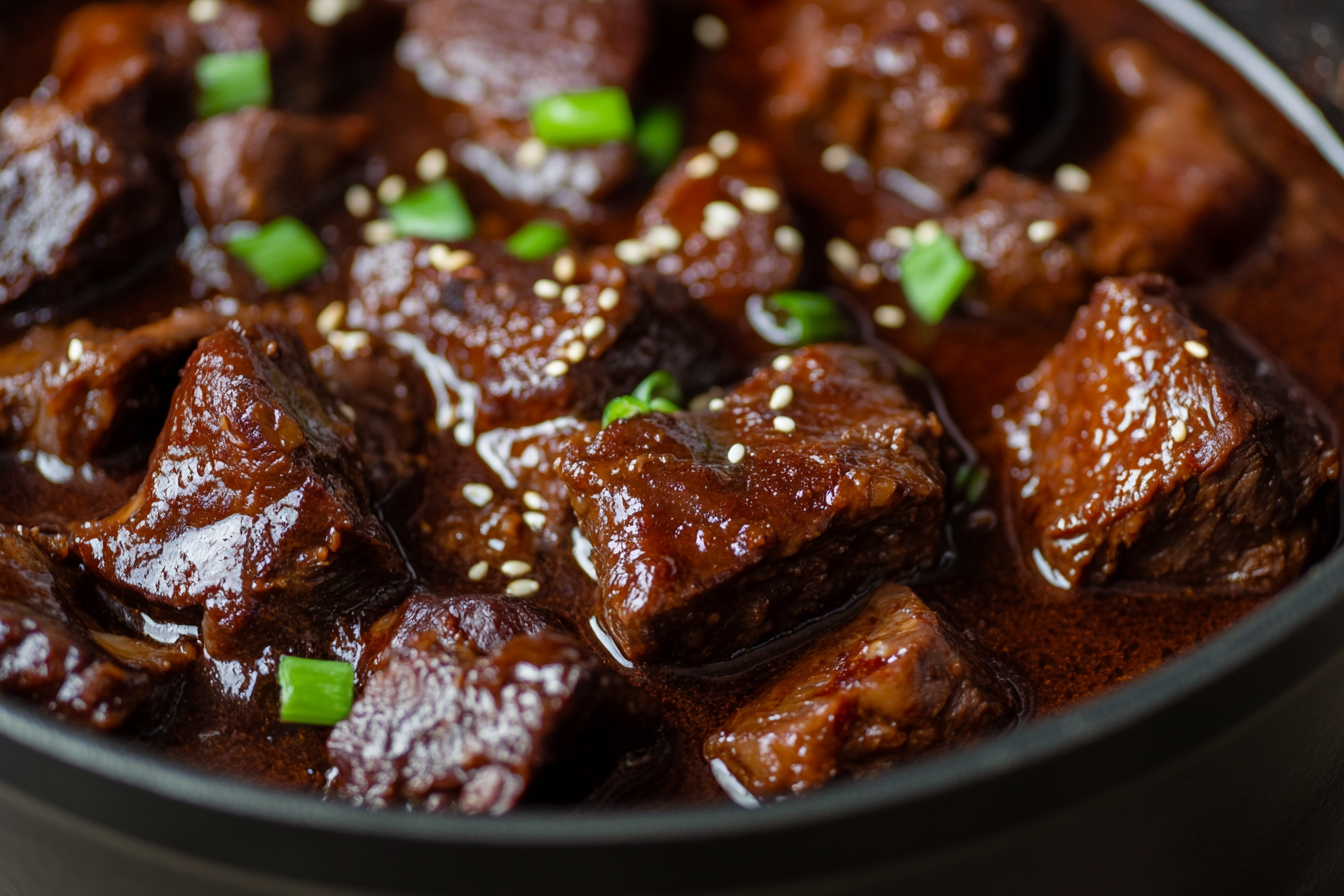
Overall, once you try this Korean-inspired version of pot roast, it's hard to go back to the regular kind. The depth of flavor, the perfect balance of sweet-savory-spicy, and the way your house smells while it's cooking... it's just next level.
My family now requests this for every special occasion, and I've got friends who text me randomly asking when I'm making it again. It's become my signature dish, the one that makes people think I'm a much better cook than I actually am.
If you only try one recipe from my blog this year, make it this one. Your taste buds will thank you, and whoever you share it with will be impressed. Unless they're my Korean neighbor's mom—then they'll just eat three servings and ask for the recipe while insisting it's "not really Korean, but still good."
OTHER RECIPES YOU'LL LOVE
Dutch Oven Korean Beef Pot Roast
Ingredients
- 4-5 lb beef chuck roast
- 2 tablespoon vegetable oil
- 1 large onion sliced
- 6 garlic cloves minced
- 2 tablespoon fresh ginger minced
- ¾ cup soy sauce or coconut aminos for gluten-free
- ¼ cup brown sugar
- ¼ cup rice wine or mirin
- 2 tablespoon rice vinegar
- 2-3 tablespoon gochujang Korean chili paste
- 1 tablespoon sesame oil
- 1 Asian pear or apple grated
- 2 carrots cut into large chunks
- Optional: 1 daikon radish cut into large chunks
- 2 cups beef broth or water
- Optional: ¼ cup cola trust me!
- 3 green onions sliced (for garnish)
- 1 tablespoon toasted sesame seeds for garnish
Instructions
- Preheat oven to 325°F. Pat beef chuck roast dry with paper towels and season generously with salt and pepper.
- Heat vegetable oil in a large Dutch oven over medium-high heat until shimmering. Sear the beef on all sides until deeply browned, about 3-4 minutes per side. Remove and set aside.
- Reduce heat to medium and add onions. Cook until softened, about 5 minutes.
- Add garlic and ginger, cook for another minute until fragrant.
- Add soy sauce, brown sugar, rice wine, rice vinegar, gochujang, and sesame oil. Stir to combine, scraping up any browned bits.
- Add the grated pear/apple and cola (if using) and stir to incorporate.
- Return the beef to the Dutch oven, along with any accumulated juices.
- Add beef broth until liquid comes about halfway up the side of the beef.
- Bring to a simmer, cover with a tight-fitting lid, and transfer to the oven.
- Cook for 2 hours, then add carrots and daikon (if using).
- Continue cooking for another 1.5-2 hours, or until beef is fork-tender.
- Remove the beef and vegetables. Skim excess fat from the sauce.
- Optional: To thicken sauce, simmer on stovetop until reduced to desired consistency.
- Slice or shred the beef and return to the sauce.
- Garnish with sliced green onions and toasted sesame seeds.
Leave a Reply